Figures

Figure Scale Sizes Explained: What 1/7, 1/8, 1/4 and "Non-Scale" Actually Mean

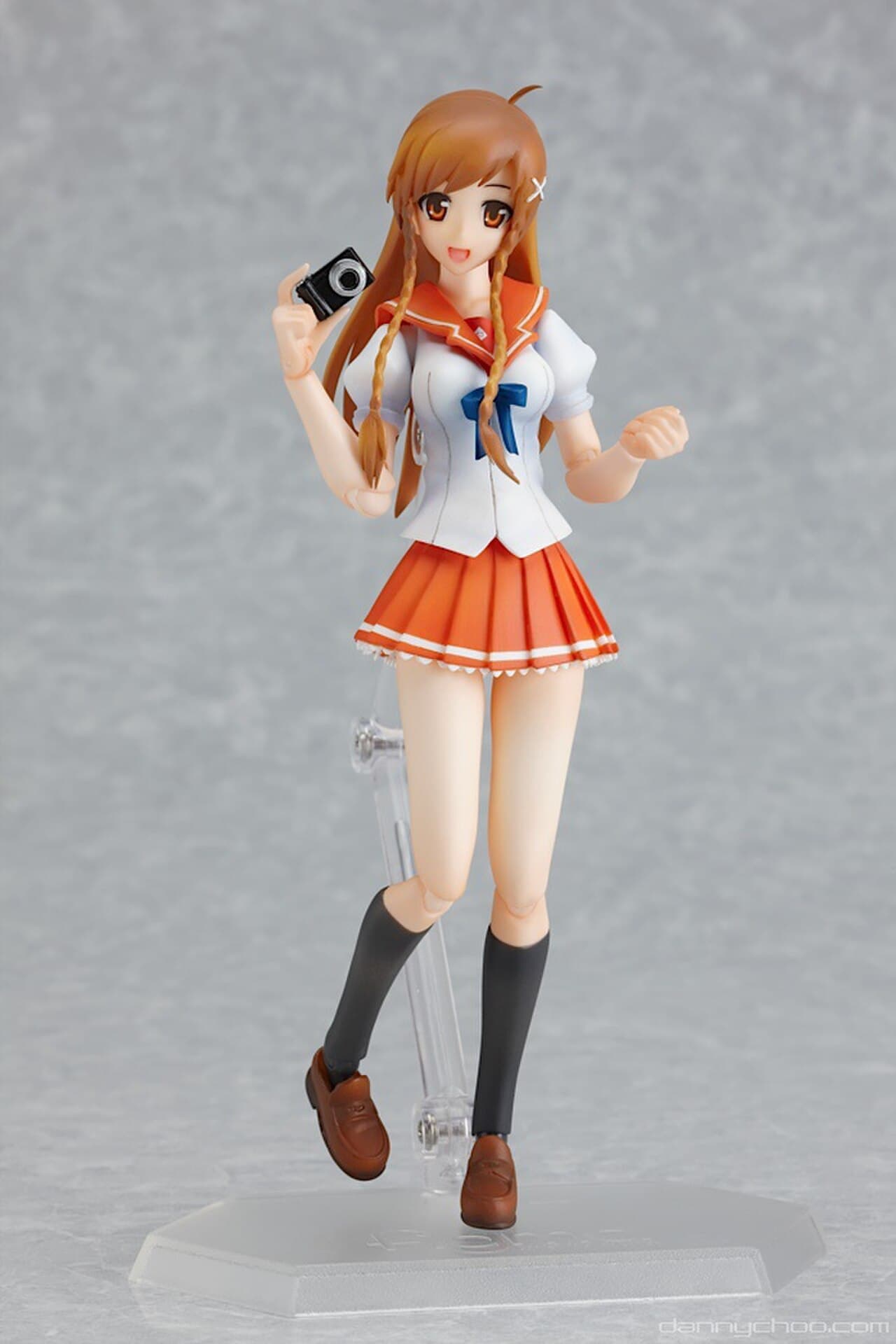
The scale number (1/7, 1/8, 1/4) is a figure's height relative to that specific character's own reference height and pose — not an absolute size unit, so ratios don't compare cleanly across different characters. Nendoroid, figma, POP UP PARADE and most prize figures are officially "non-scale" instead, per Good Smile Company's own spec sheets.
TANA Editors ·

How to Spot a Bootleg Anime Figure: General Warning Signs

No single sign proves a figure is a bootleg, but missing/wrong branding, a too-low price, sloppy paint or hair shading, and a chemical smell are the recurring tells. Buying from the manufacturer's own store or an authorized reseller removes the question entirely.

TANA Editors ·

Nendoroid vs figma: Which Good Smile Figure Line Actually Fits Your Shelf

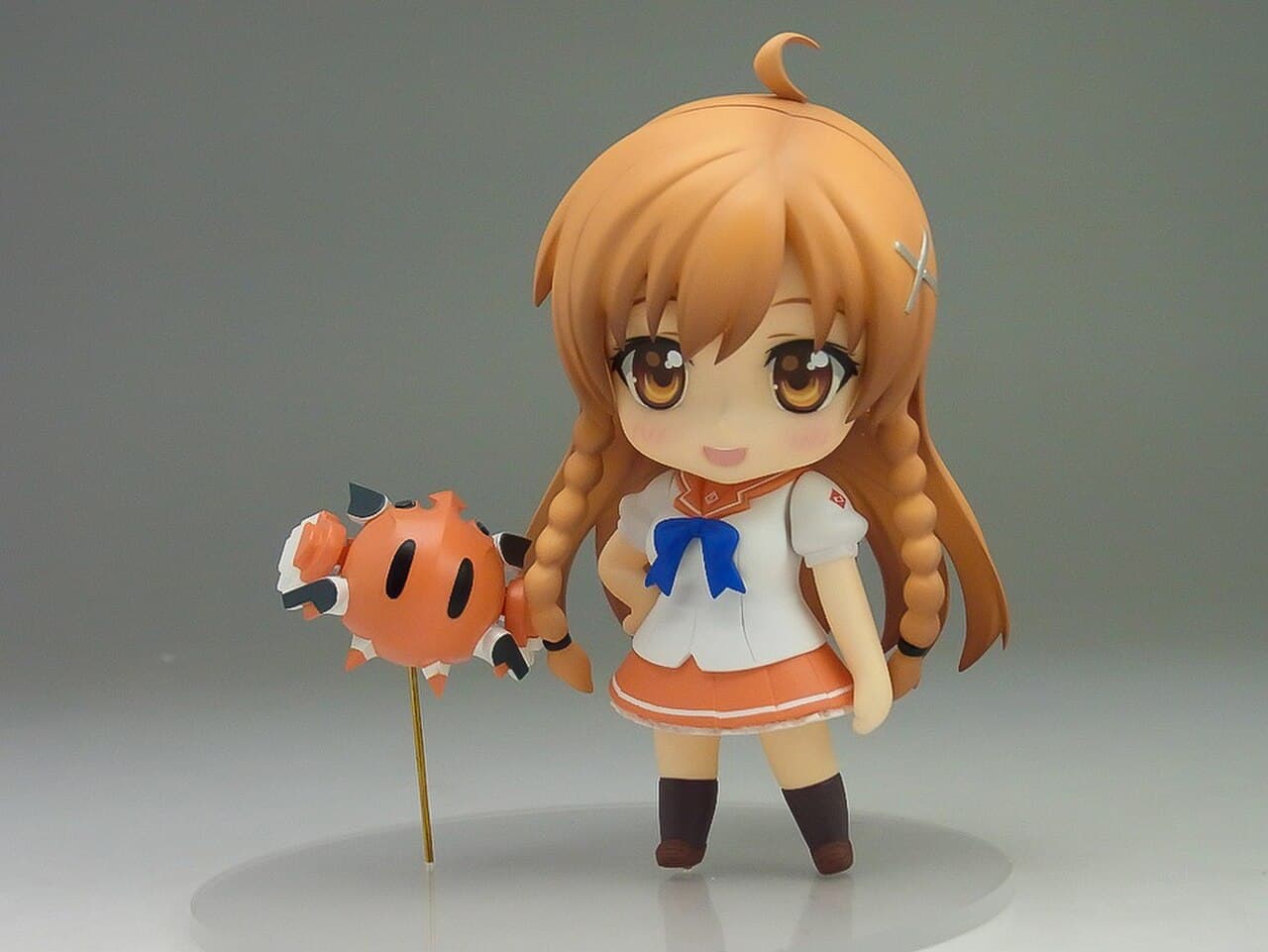
Nendoroid is a fixed ~10cm chibi line built for cute shelf presence; figma scales to the character (~13–16cm) and is built for posing. Similar price at MSRP — pick by what you want to display, not price.

TANA Editors ·

How Good Smile Company Pre-orders Actually Work (and Why Where You Order Changes the Rules)

Good Smile pre-orders charge differently by storefront: at checkout on goodsmileus.com, on the shipping-notification date on the international store, or once your order ships if bought via AmiAmi/HLJ instead.

TANA Editors ·

Figure Pre-orders Explained: Why Collectors Buy Months in Advance

Scale figures are made roughly to order: the pre-order window is usually the only reliable chance at retail price. After release, prices float on the aftermarket. Track windows, know shop payment rules, and don't stack more orders than one month can absorb.

TANA Editors ·