Guide
Figure Scale Sizes Explained: What 1/7, 1/8, 1/4 and "Non-Scale" Actually Mean
The short version
The number after the slash in "1/7 scale" or "1/8 scale" tells you what fraction of the character's own reference height the figure represents — a 1/8 scale figure is built at one-eighth of that height. But two figures sharing the same scale number can land at very different actual sizes, because the reference height and pose differ by character, and a large slice of the hobby — Nendoroid, figma, POP UP PARADE, most prize figures — isn't scaled to a ratio at all. Good Smile Company's own product specifications literally label those lines "non-scale." Below are real, manufacturer-stated heights for both categories, verified against official spec pages as of 2026-07-16, not estimated from the ratio.
What the fraction actually means
Scale figure height = character's reference height ÷ the scale number. Good Smile Company (GSC), Japan's largest figure maker, organizes its own scale-figure storefront around exactly three scale filters — 1/8 Scale, 1/7 Scale and 1/4 Scale — plus a catch-all "Other Scales" bucket, which matches what most English-market collectors actually encounter: the large majority of GSC scale figures fall into one of those three ratios, with 1/6 and other scales mostly the territory of other manufacturers (Kotobukiya's ARTFX statue line, for instance) rather than GSC itself.
Verified real-world sizes at each common scale
| Scale | Example (official product listing) | Stated height |
|---|---|---|
| 1/4 | Good Smile Company: Reimu Hakurei | Approximately 435mm |
| 1/7 | Good Smile Company: A-Z:[A] | Approximately 425mm |
| 1/8 | Good Smile Company: Hatsune Miku NT | Approximately 220mm |
| 1/8 | Good Smile Company: Mutsunokami Yoshiyuki | Approximately 230mm |
| 1/6 | Kotobukiya: ARTFX Batman (The Flash Movie Ver.) | Approximately 344mm |
Not exhaustive — every manufacturer states its own figure's height on its own product page. Treat the numbers above as real, verified examples of the range you'll actually see, not a universal formula you can run backwards from the ratio alone.
The catch: two figures with different scale numbers can land a centimeter apart
This is the part beginner guides tend to skip. Look at the top two rows of that table again: A-Z:[A] is a 1/7 scale figure at 425mm; Reimu Hakurei is a 1/4 scale figure — a ratio almost twice as "large" on paper — at 435mm, just 10mm taller. That's not a mistake. Scale is relative to that specific character's reference height, and to how dynamically the figure is posed and whether hair, wings or a weapon add to the sculpt's top point — it is not an absolute size unit like centimeters. A 1/4 scale figure of a short or seated character can end up smaller than a 1/7 scale figure of a tall character caught in a full standing pose. The ratio tells you how a figure relates to its own character; it doesn't by itself tell you how it will compare on your shelf to a different figure at a different scale. The only reliable check is the "approximately ___mm in height" line the manufacturer publishes for that specific product — never assume from the fraction alone.
"Non-scale" doesn't mean small — it means there's no ratio at all
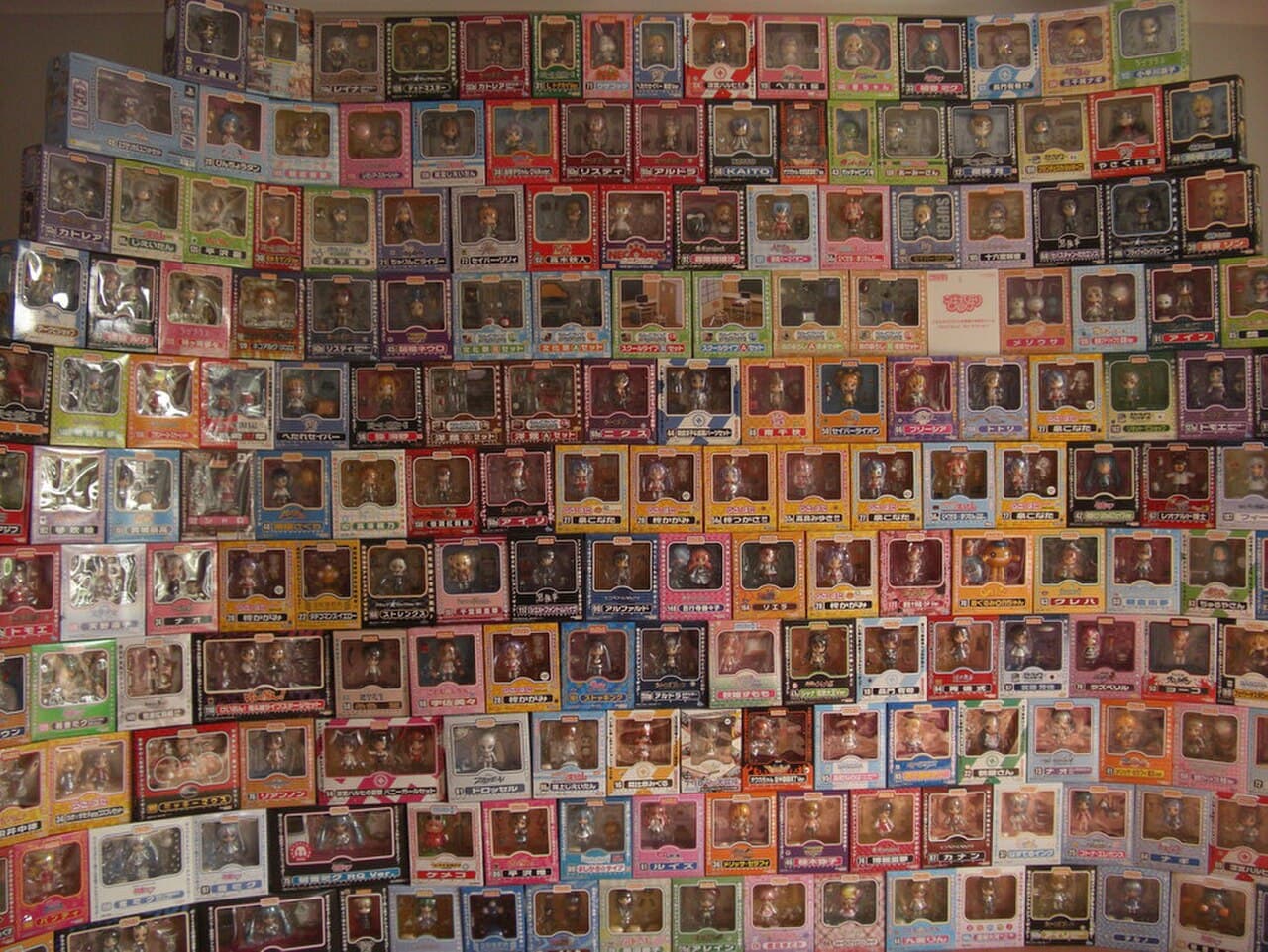
Nendoroid, figma and POP UP PARADE are Good Smile Company's three highest-volume lines for English-market collectors, and none of them carry a scale ratio. Check any of their official product pages and the specification line reads "non-scale," not a fraction:
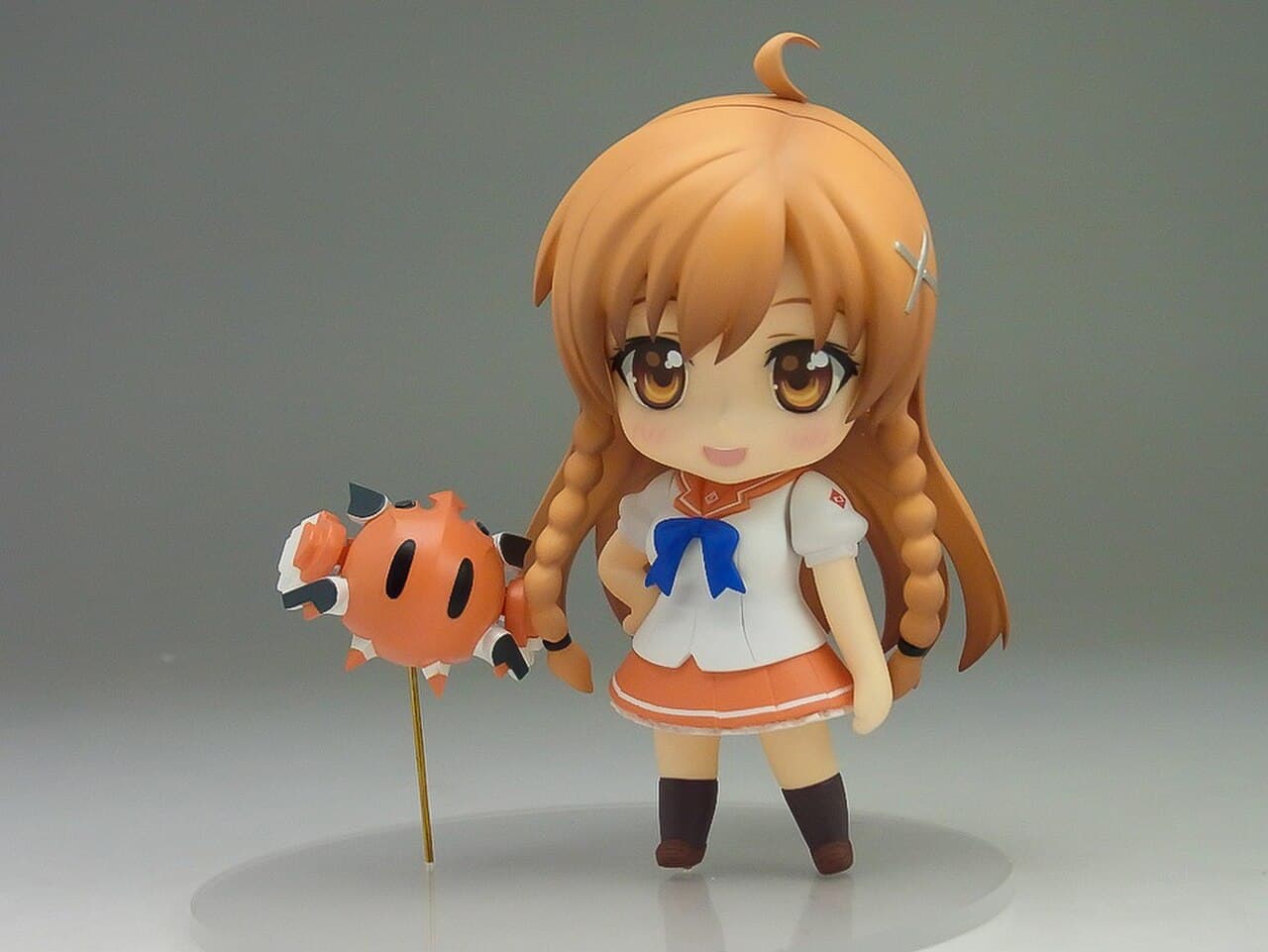
- Nendoroid — official spec (Nendoroid King): "Painted plastic non-scale articulated figure with stand included. Approximately 100mm in height." Standard Nendoroids cluster around that same fixed ~100mm regardless of the character, because the whole line is built around a uniform chibi body — see our Nendoroid vs figma breakdown for why that consistency is the point of the line.
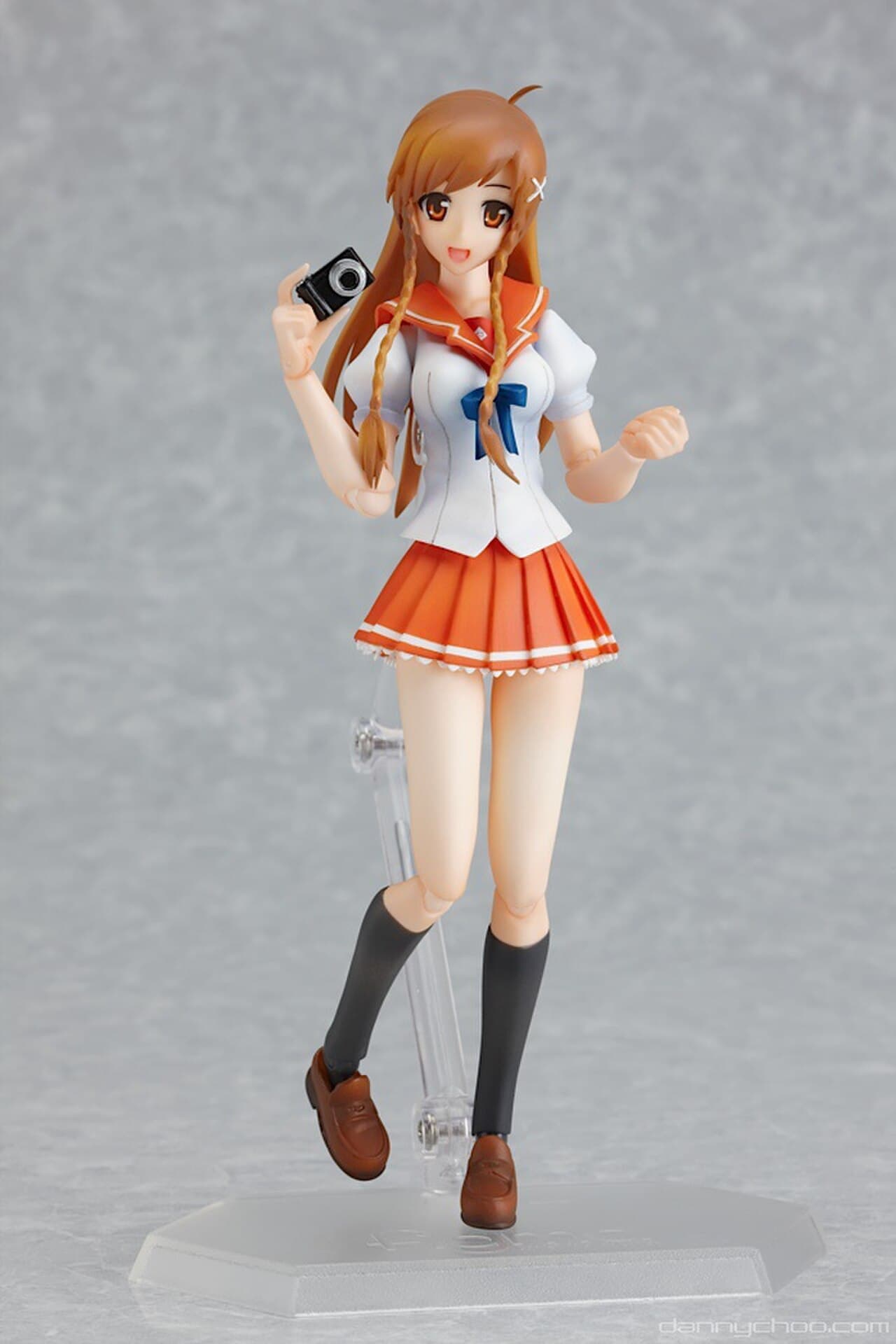
- figma — official spec (figma Tracer): "Painted ABS&PVC non-scale articulated figure with stand included. Approximately 140mm in height." Unlike Nendoroid, figma height does vary by character — GSC's own figma listings run roughly 125mm to 170mm across different characters (figma Atlas: 125mm; figma DOOM SLAYER - DOOM: THE DARK AGES ver.: 170mm) — but it's still not tied to a stated ratio; the line is built around posability, not a scale target.
- POP UP PARADE — also spec'd as non-scale, and its height varies more than figma's depending on the size tier GSC assigns each release: a standard POP UP PARADE commonly lands in the 150mm-180mm range, while the "L Size" tier runs taller, spanning roughly 200mm to 240mm depending on the character.
- Prize figures (Banpresto and similar arcade/lottery lines) — also sold and labeled as non-scale figures, confirmed directly on Banpresto's own listings (its Jujutsu Kaisen "Satoru Gojo Non-Scale Figure" among them), typically in the same rough teens-of-centimeters range as figma, but with no house-wide standard height and more variation release to release — a reflection of their lower price point and simpler tooling, not a defect.
The practical cheat sheet
Based on the verified examples above — treat these as the range you'll typically see, not a guaranteed number for any specific figure:
- 1/4 scale — the biggest common ratio; 40cm+ is normal territory (Reimu Hakurei: 43.5cm).
- 1/7 scale — GSC's most common scale-figure ratio; low-to-mid 20s of cm for most standing poses, though a tall, dynamic action pose can push well past that (A-Z:[A]: 42.5cm).
- 1/8 scale — the other GSC mainstay; low-to-mid 20s of cm (Hatsune Miku NT: 22cm; Mutsunokami Yoshiyuki: 23cm).
- 1/6 scale — less common at GSC, more Kotobukiya ARTFX territory; high-20s to mid-30s of cm (Kotobukiya Batman: 34.4cm).
- Non-scale (Nendoroid) — fixed at roughly 10cm regardless of character.
- Non-scale (figma) — roughly 12.5cm-17cm, varying by character.
- Non-scale (POP UP PARADE) — roughly 15cm-24cm depending on the size tier.
- Non-scale (prize figures) — commonly mid-teens of cm, no fixed standard.
What to actually check before you order
None of the above replaces the listing itself. Whichever storefront you order from — GSC's own store, or a reseller like AmiAmi or HLJ — the product page states an "approximately ___mm" height for that exact SKU, and that number, not the scale fraction, is what actually arrives on your shelf. If you're deciding whether to pre-order something sight-unseen, checking the stated height against a figure you already own — same scale or not — is a more reliable way to judge shelf fit than comparing scale ratios in your head.
Sources
- Good Smile Company: A-Z:[A] (1/7 scale) product page
- Good Smile Company: Reimu Hakurei (1/4 scale) product page
- Good Smile Company: Hatsune Miku NT (1/8 scale) product page
- Good Smile Company: Mutsunokami Yoshiyuki (1/8 scale) product page
- Good Smile Company: figma Tracer (non-scale) product page
- Good Smile Company: figma Atlas (non-scale) product page
- Good Smile Company: figma DOOM SLAYER - DOOM: THE DARK AGES ver. (non-scale) product page
- Good Smile Company: Nendoroid King (non-scale) product page
- Good Smile Company: "Scale Figure" product category (official scale filters)
- Kappa Hobby: Kotobukiya ARTFX The Flash Movie Batman (1/6 scale) product page
- Tokyo Otaku Mode: Jujutsu Kaisen Satoru Gojo Non-Scale Figure (Banpresto)
FAQ
- Is a 1/7 scale figure always taller than a 1/8 scale figure?
- Only when comparing the same character — dividing by the smaller number (7) always produces a taller result than dividing by 8 for an identical reference height. Across different characters it doesn't hold: a 1/8 scale figure of a tall character can easily be taller than a 1/7 scale figure of a shorter one. Check each listing's stated height rather than assuming from the ratio.
- Are Nendoroid and figma "scale" figures?
- No — Good Smile Company's own product specifications label both "non-scale," meaning there's no fixed ratio to a character's reference height at all. Nendoroid stays close to a fixed ~100mm regardless of character; figma varies roughly 125mm-165mm by character but still isn't tied to a stated scale.
- Why do two figures with very different scale numbers sometimes end up almost the same height?
- Because scale is relative to each character's own reference height and pose, not an absolute size unit. Good Smile Company's own listings show this directly: its 1/7 scale A-Z:[A] figure (425mm) and its 1/4 scale Reimu Hakurei figure (435mm) land within 10mm of each other despite a scale ratio nearly twice as large on paper, because the two characters' underlying heights and poses differ. Always check the specific listing's stated height rather than comparing ratios alone.
This article is for information only and is not purchasing or investment advice. Prices, stock, release dates and pre-order windows change — always confirm on the official store page linked in the article before ordering.